No preservatives. No additives. Just love and patience.
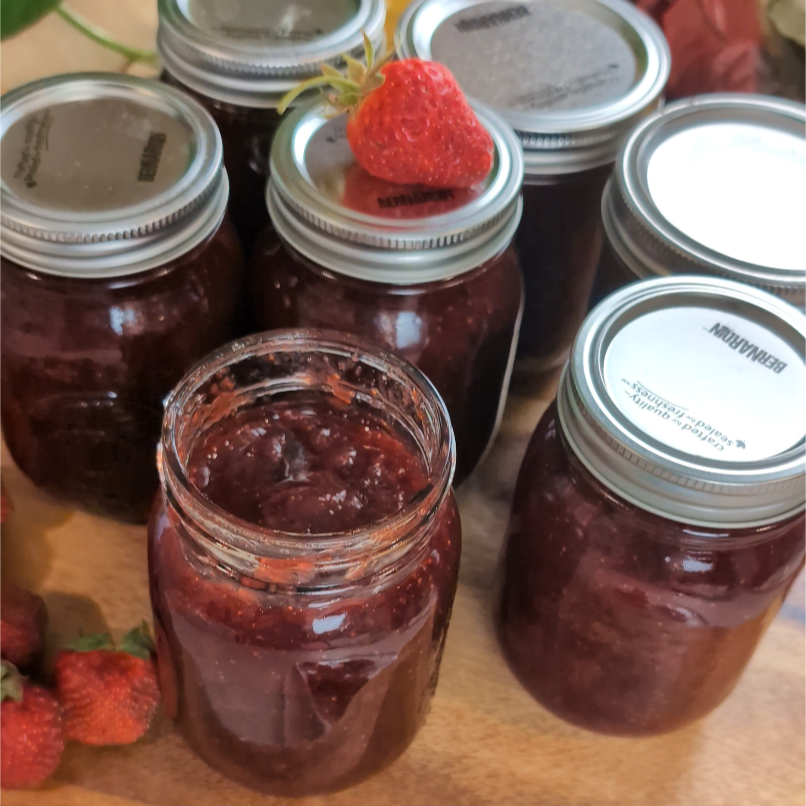
There’s something incredibly comforting about homemade strawberry jam—especially when it’s made the old-fashioned way, just like my grandma used to. Every summer, she’d transform buckets of sun-ripened strawberries into ruby-red jars of joy that lasted us through the winter. This recipe has been passed down through generations in our family and I’m thrilled to share it with you today.
No pectin, no preservatives, no shortcuts—just strawberries, sugar, and lemon juice. It takes time and love, but the result is pure magic: a rich, naturally sweet jam with intense strawberry flavor and just the right texture. Perfect for spreading on fresh bread, spooning over pancakes, or gifting to loved ones.
🛒 Ingredients
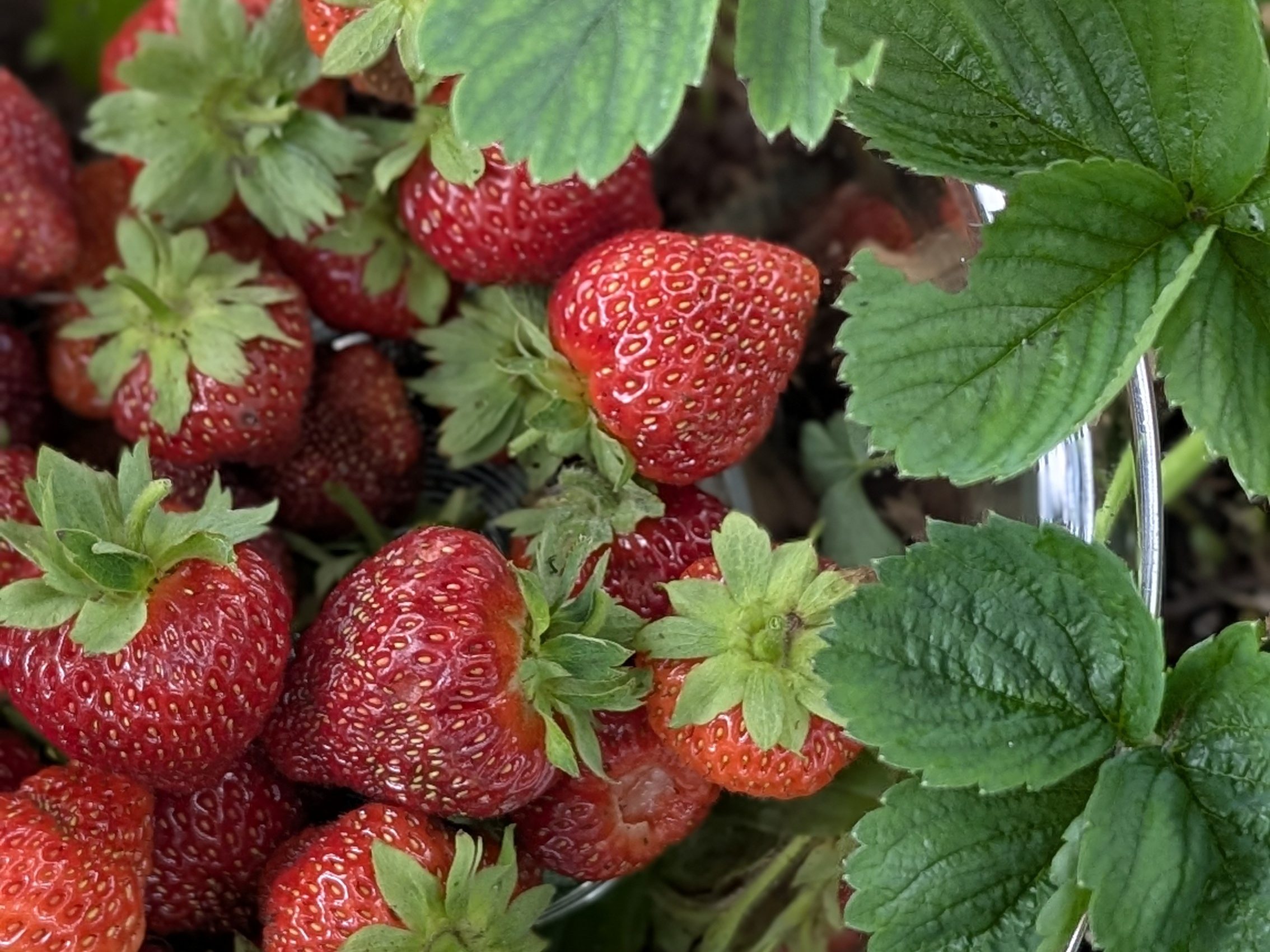
- 10 kg (22 lbs) fresh strawberries, washed, hulled, and cut
- 2.5 kg (5.5 lbs) sugar
- Juice of 2 lemons
Note: Use only healthy, ripe strawberries. Discard any damaged or overripe fruit.
🍲 Instructions
1. Prepare the Strawberries
Wash and hull your strawberries thoroughly. Cut them in halves or quarters, depending on size.
2. Cook the Jam
Place strawberries and sugar into a large heavy-bottomed pot. Add the lemon juice.
Cook on high heat, stirring regularly to prevent burning. The jam will release a lot of juice—don’t worry, that’s expected.
Continue cooking for about 2 to 2.5 hours, stirring often. You’ll notice the mixture reduce and thicken gradually.
3. Check for Doneness
To test if your jam is ready:
- Use a candy thermometer to check that it reaches 210°F to 220°F (99°C–104°C).
- Or do the cold plate test: Place a dollop of hot jam on a plate that’s been in the freezer for 10 minutes. Let it sit for 10–15 seconds. Tilt the plate—if the jam wrinkles slightly and stays in place, it’s ready.
Watch a short on YouTube: https://youtube.com/shorts/ccwjyDfuJBo
4. Jar the Jam
Once the jam is done, turn off the heat and let it cool for 5–10 minutes. This helps the fruit pieces distribute more evenly in the jar.
Pour the jam into sterilized, warm jars. Seal with lids, then turn jars upside down for 5 minutes. This helps sterilize the seal and create a vacuum.
🫙 How to Sterilize Jars
- Wash jars with hot, soapy water.
- Rinse well.
- Dry in an oven at 250°F (120°C) for 10 minutes.
- Soak lids in boiling water for 5 minutes.
- Always fill warm jars with hot jam to prevent cracking.

🧊 Storage Tips
- Store jars in a cool, dark place (pantry or cellar).
- Once opened, refrigerate and use within 3–4 weeks.
- Avoid double dipping or using dirty utensils to keep it fresh.
Properly sealed, the jam will keep for at least 6 months—often longer!
🍞 Serving Suggestions
- Spread generously on buttered toast or fresh brioche.
- Spoon over pancakes, waffles, or yogurt.
- Swirl into cakes, cheesecakes, or thumbprint cookies.
- Use as a filling for layered cakes or rolls.
🧬 A Bit of History
Making strawberry jam was a cherished summer ritual in many Balkan and Eastern European households. With no access to store-bought pectin or preservatives, grandmothers relied on long, slow cooking and lemon juice for setting. The process wasn’t just about food—it was a time of storytelling, bonding, and preparing for the colder months ahead.
🔄 Variations & Substitutions
- Sugar: You can reduce the amount of sugar slightly, but it may affect shelf life and consistency.
- Lemon Juice: Helps balance sweetness and aids natural setting. Lime juice can be substituted.
- Flavor Add-ins: Add a touch of vanilla bean, rosewater, or a few crushed raspberries for a unique twist.
- Smaller Batch: Cut the recipe in half or quarters for easier home cooking.
❓ Frequently Asked Questions
Can I use frozen strawberries?
Yes, but thaw and drain them first to avoid excess moisture.
Do I need pectin?
No! The natural pectin in strawberries and lemon juice is enough—plus the long simmering helps it thicken.
Why is my jam too runny?
It likely wasn’t cooked long enough. Try reheating it and boiling for another 10–15 minutes, checking for doneness with the plate test.
Can I use a sugar substitute?
You can experiment with honey or other sweeteners, but they may affect texture, flavor, and shelf life.
❤️ Conclusion
This strawberry jam is more than just a recipe—it’s a memory in a jar. From the sweet aroma of strawberries bubbling on the stove to the satisfaction of sealing a jar that will bring joy for months, this tradition connects us to the past and brings sweetness into the present.
So gather your strawberries, roll up your sleeves, and make something beautiful—just like Grandma did.
 Divna's Baked Goods